- John Swales has been everywhere. He was born in the UK, went to various private schools but ended up graduating from Queen’s College Cambridge in England, went to teach in Italy for two years, then taught in Sweden for one year, then became an assistant lecturer in Libya, then taught in Sudan, then returned to the UK to teach, then moved to Michigan where he taught at the University of Michigan where he eventually retired. Having retained this much community discourse knowledge around the world, I would assume he would be a master of linguistics and knowledge about community discourse.
- I would assume scholars who understand this line of academic information and whom thoroughly enjoy reading dry information about discourse community and speech community.
- To inform readers of discourse community. The issue being portrayed throughout the text is how John Swales is trying to inform the readers of how different groups and organizations sometimes don’t see eye to eye, and dialogue written to inform a certain audience can be taken a wrong way depending on how the certain group within the audience views the text. If you say “you people” to a certain group of people in speech, this can be retained as negative if the speech by that certain group of people.
- The gap, what I believe, is that certain reader’s were not informed about what causes discourse community. In other words, they are misinformed about what fuels the drive behind what causes different groups to view themselves as different.
CL 1/30
- People who wish to understand multiple views. His article questions common knowledge of the audience and if the audience picks up on what Joel Stein is trying to communicate to them, then it should stimulate further research from the audience.
- I believe it could go both ways. If someone really didn’t understand the irony behind his texts then then it could maybe acutely offend the reader, but if someone had an idea of what Stein’s sarcasm was trying to portray then it could be directed toward a friendly audience that understands the irony and humor behind his dialogue. I think his main purpose is to get his irony understood by not being an audience friendly writer. He stimulates this through intimidation and sarcasm.
- 4. The fact that not everyone wants to read Time so maybe Stein believe that his readers will be informed by this information a different way (his way) through irony and sarcasm. This leads people to fill the gap of being out of the loop and encourages them to do further research.
- . 5.By using sarcasm and irony in order to spark curiosity of the same information that otherwise would have been dry dialogue written by Time Magazine.
- 6. Yes. I Still believe it can go both ways, depending if the audience is used to Stein’s writing or not.
- 7. The danger of an essay like this is that the irony could completely go by some readers. Therefore, they would never understand and return to read Stein’s work ever again.
HW 1/28
CL 1/28
I believe for this article, Joel Stein’s intended audience was the average American. It sounds like, since Joel is trying to be sarcastic and add irony to this piece, it would be intended that the reader would take it personally and miss any irony or sarcasm that was added by the author. Any professional writer that read this piece would easily pick up on the irony and sarcasm. But they wouldn’t be offended, so what fun would that be for Joel Stein?
In this article, the author tries to appeal to everyone, that is the average American citizen. As Americans, naturally we are boisterous, proactive, opinionated and proud. But at the same time, the average Americans can be uneducated, pompous, deserving, complainers and disputers. I believe Joel Stein utilizes these mix of characteristics in Americans to this advantage in order to stir controversy within his overall audience. In this process, he is able to emit his message more easily, without sounding dry or being seen as a blatant faultfinder.
- His partition, confirmation and conclusion are emphasized very well here.
- What he doesn’t do well here, and on purpose, is the refutation. Mainly because he spends a majority of time focussing on his point and his partition
- People who wish to understand multiple views. His article questions common knowledge of the audience and if the audience picks up on what Joel Stein is trying to communicate to them, then it should stimulate further research from the audience.
HW 1/21
Purdue OWL notes
Rhetoric would be considered almost an awareness of what you are writing or reading in a text
It’s rooted in greek history. Greeks would memorize long speeches using rhetoric techniques.
Only certain classes were allowed to participate in learning rhetoric. Which means only the higher ups were allowed to be educated enough to give long speeches and use forms and techniques pertaining to rhetoric.
Sophists came along and glorified the fact that anybody could learn rhetoric although a lot of people thought that these sophists were ruining the ancient art of learning rhetoric. Because of this, rhetoric became to be viewed as negative.
Overall, rhetoric makes an argument more effective.
CL 1/21
HW 1/16

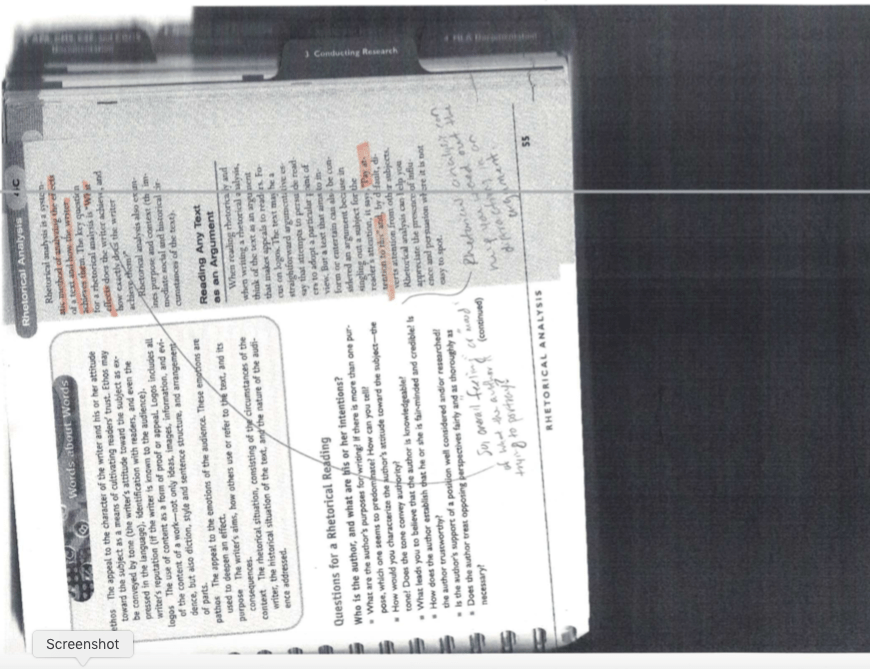
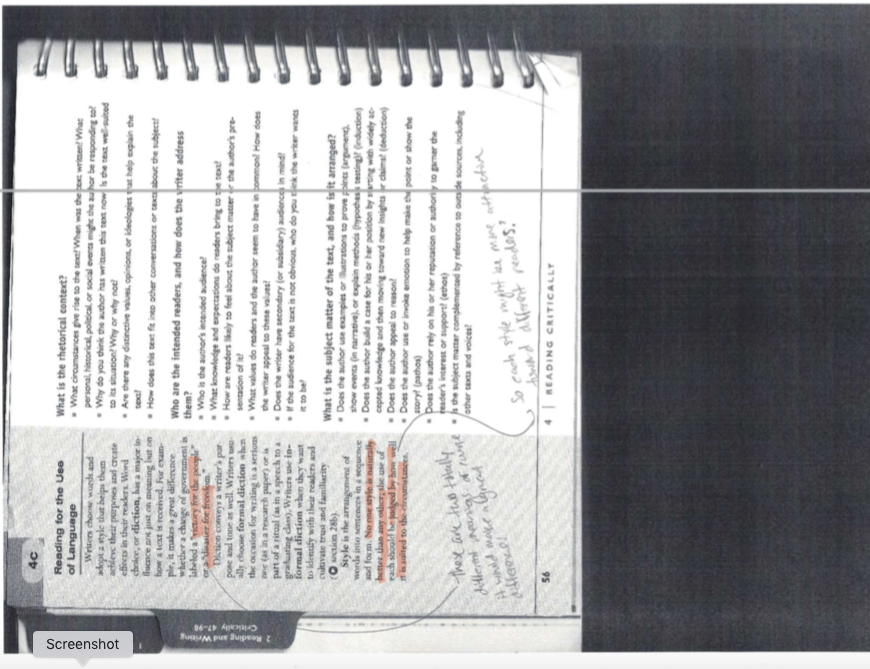
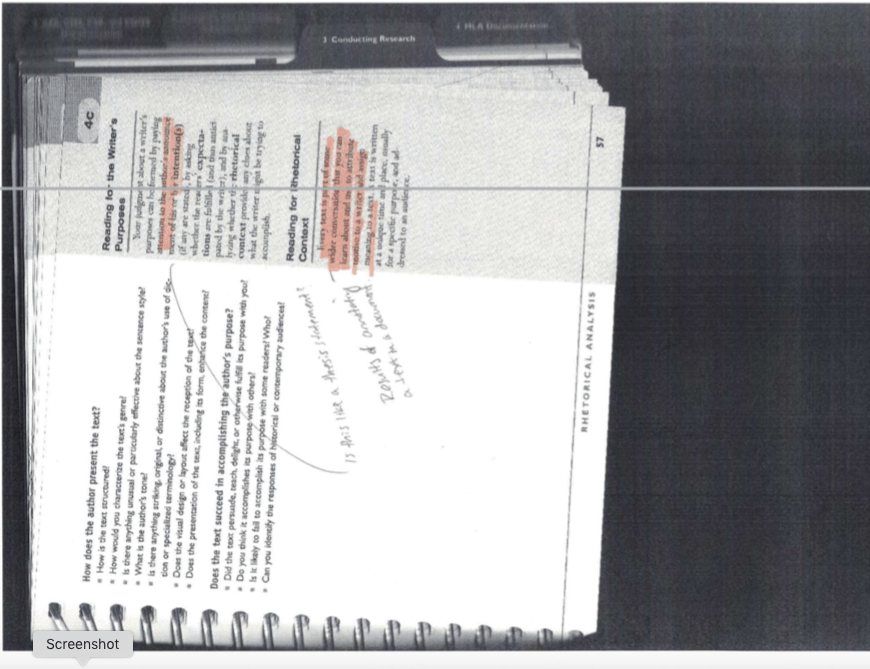
CL 1/16
- I am at UCBA because I live very close to the campus, and the classes are cheap. It is also 5 minutes away from where I work, so the convenience was attractive to me.
- I chose this class because it was open… I passed intermediate english so this was the next step..
- I am from Charleston South Carolina. I grew up primarily in Cincinnati OH though.
- My parent’s drove me here when I was three years old. I really didn’t have choice.
- My major is political science.
- Real estate. I currently own a house and am buying another one in the spring. My hobbies include golfing and drinking.
- I can do taxes like it’s my job.
- Some important soft skills that I have retained over time are leadership skills, communication skills and organization skills. Some hard skills that I have retained over time are
Introduce Yourself (Example Post)
This is an example post, originally published as part of Blogging University. Enroll in one of our ten programs, and start your blog right.
You’re going to publish a post today. Don’t worry about how your blog looks. Don’t worry if you haven’t given it a name yet, or you’re feeling overwhelmed. Just click the “New Post” button, and tell us why you’re here.
Why do this?
- Because it gives new readers context. What are you about? Why should they read your blog?
- Because it will help you focus you own ideas about your blog and what you’d like to do with it.
The post can be short or long, a personal intro to your life or a bloggy mission statement, a manifesto for the future or a simple outline of your the types of things you hope to publish.
To help you get started, here are a few questions:
- Why are you blogging publicly, rather than keeping a personal journal?
- What topics do you think you’ll write about?
- Who would you love to connect with via your blog?
- If you blog successfully throughout the next year, what would you hope to have accomplished?
You’re not locked into any of this; one of the wonderful things about blogs is how they constantly evolve as we learn, grow, and interact with one another — but it’s good to know where and why you started, and articulating your goals may just give you a few other post ideas.
Can’t think how to get started? Just write the first thing that pops into your head. Anne Lamott, author of a book on writing we love, says that you need to give yourself permission to write a “crappy first draft”. Anne makes a great point — just start writing, and worry about editing it later.
When you’re ready to publish, give your post three to five tags that describe your blog’s focus — writing, photography, fiction, parenting, food, cars, movies, sports, whatever. These tags will help others who care about your topics find you in the Reader. Make sure one of the tags is “zerotohero,” so other new bloggers can find you, too.
 Welcome to Django Dog. The Home of Blogs